TECHNICAL SPECIFICATIONS
Material high-quality stainless steel
Steel temperature resistance from -190 to +800 °C
Capacity 20 l
Boiler diameter 300 mm
Analogue thermometer from 0 to +150 °C
Cooling hose length 2 m
The distiller is suitable for distilling water and hydrosols. With its 20-litre capacity, you can distil large quantities. The boiler is made of special thick stainless steel. Temperature must be monitored to obtain the desired quality, so an easy-to-read analogue thermometer is fitted. It accurately shows temperatures of 0–150 °C.
The top section can be filled with herbs or spices. The surfaces are resistant to contamination such as rust, water stains or corrosion. Two ergonomic handles make it easy to carry.
CLEANING THE DISTILLER
For the distiller’s heating system to work properly, it is recommended to clean limescale and other deposits from the boiling chamber once a month (or more often, depending on use). Acid-based (usually citric acid) cleaners are used for cleaning. One pack of cleaner is included with the distiller; when it runs out, cleaners are available from us.
ABOUT DISTILLED WATER
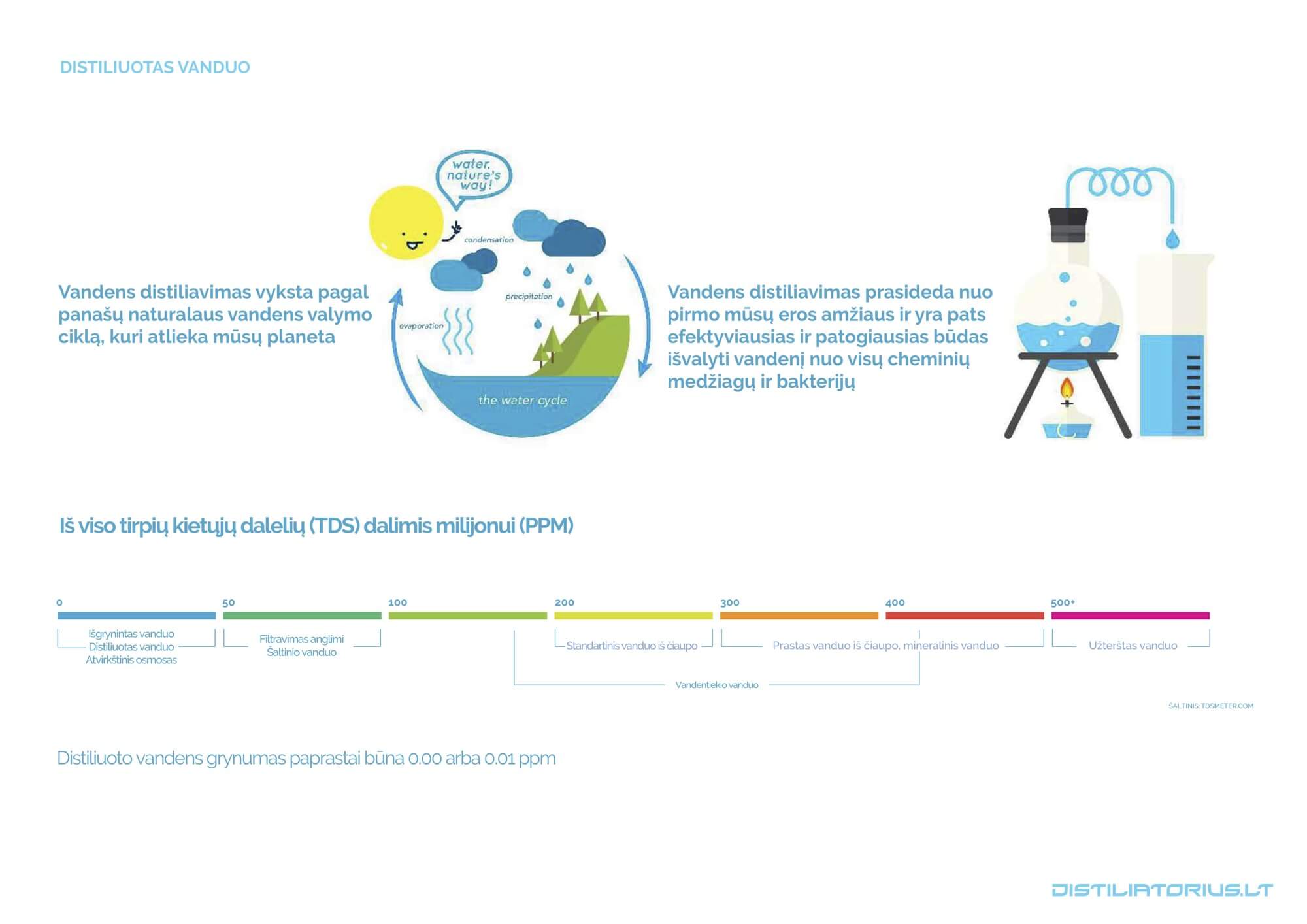
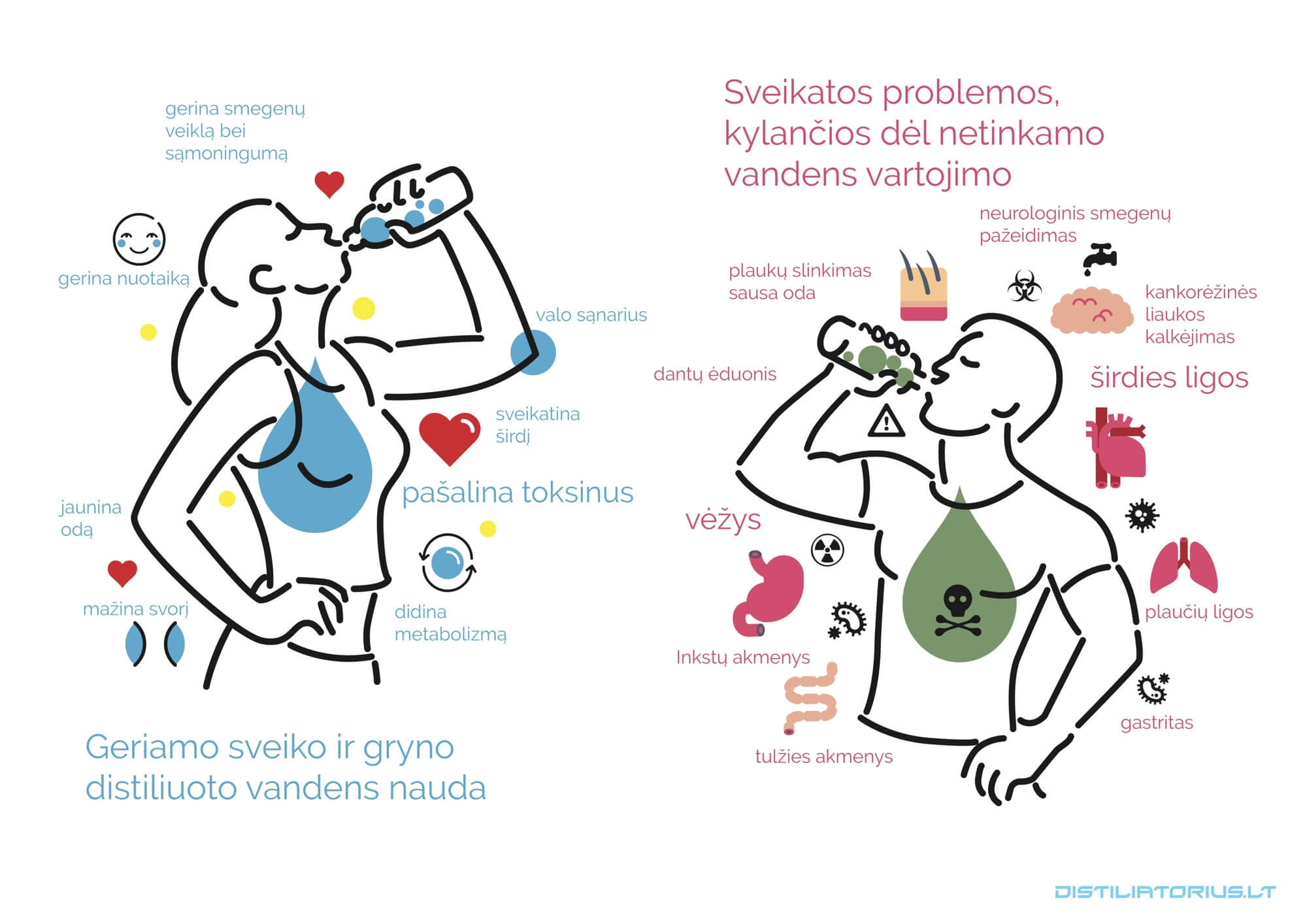
Distilled water is the purest, as it contains no additives or impurities. Distillation is the most practical water purification method, as it reliably removes all types of impurities. Health advocate Paul Bragg valued distilled water highly because it contains no salts. Have you ever tasted completely pure water? Tap water contains contaminants. Even bottled and filtered water contains impurities. And the problem is that if you don’t filter water before drinking it, your body becomes the filter. The only guaranteed way to get absolutely clean water is distillation. Distilled water is 99.8% pure. With distilled water, you use water that is cleaner than any bottled or tap water and cleaner than water treated by any other filtration or purification method.
HOW IS IT DIFFERENT FROM BOTTLED WATER?
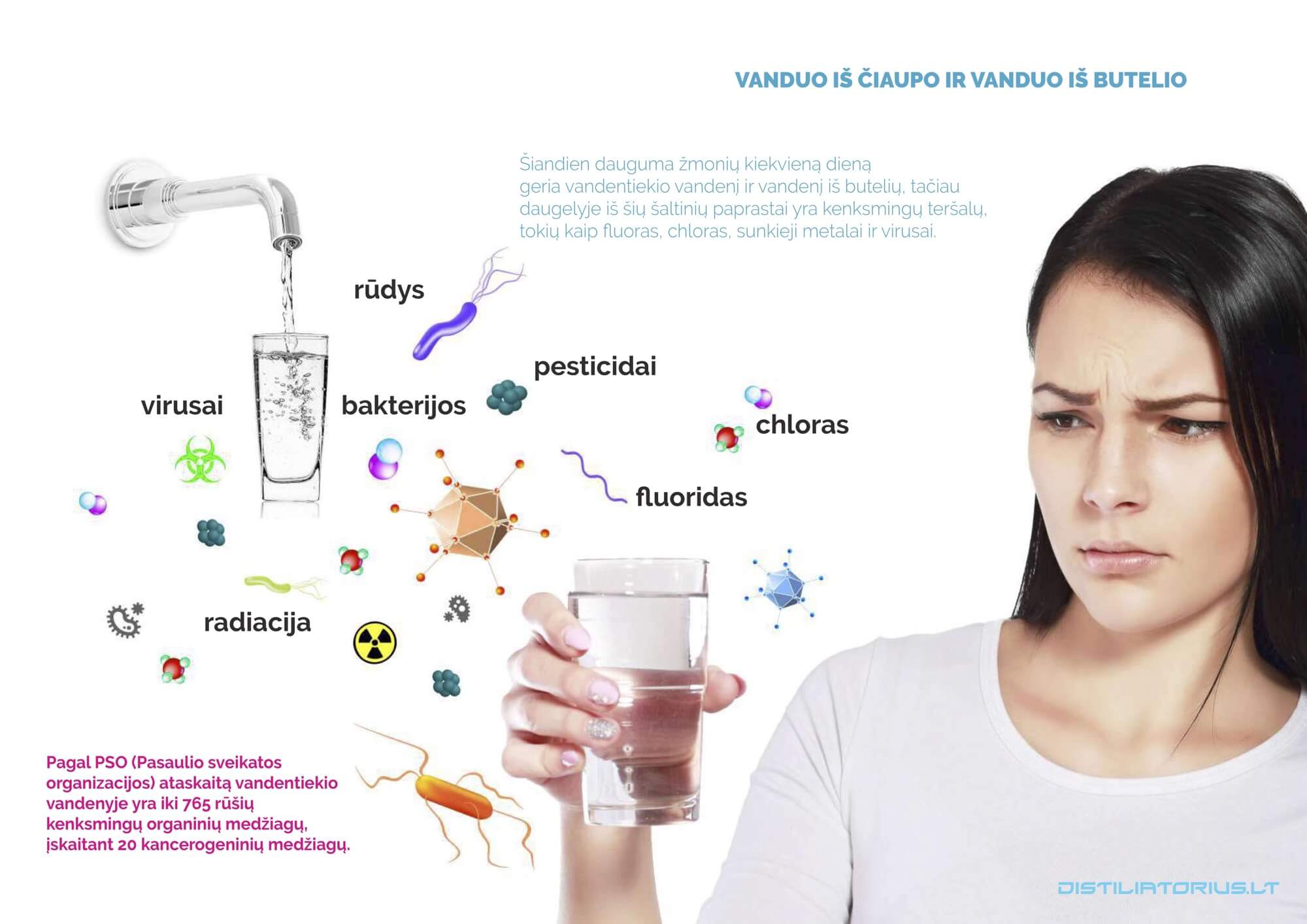
You will be surprised how many contaminants bottled water contains – and it is expensive too. Bottled water is often more expensive than petrol.
HOW DOES WATER DISTILLATION COMPARE WITH OTHER WATER TREATMENT METHODS?
The two other most common forms of filtration are activated carbon filters and reverse osmosis. Of these, reverse osmosis technology is more advanced. Our tests show that distillation is more effective than carbon filtration or reverse osmosis.