TECHNICAL SPECIFICATIONS
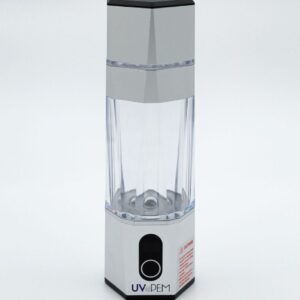
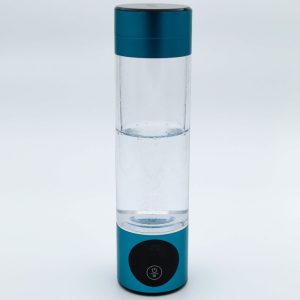
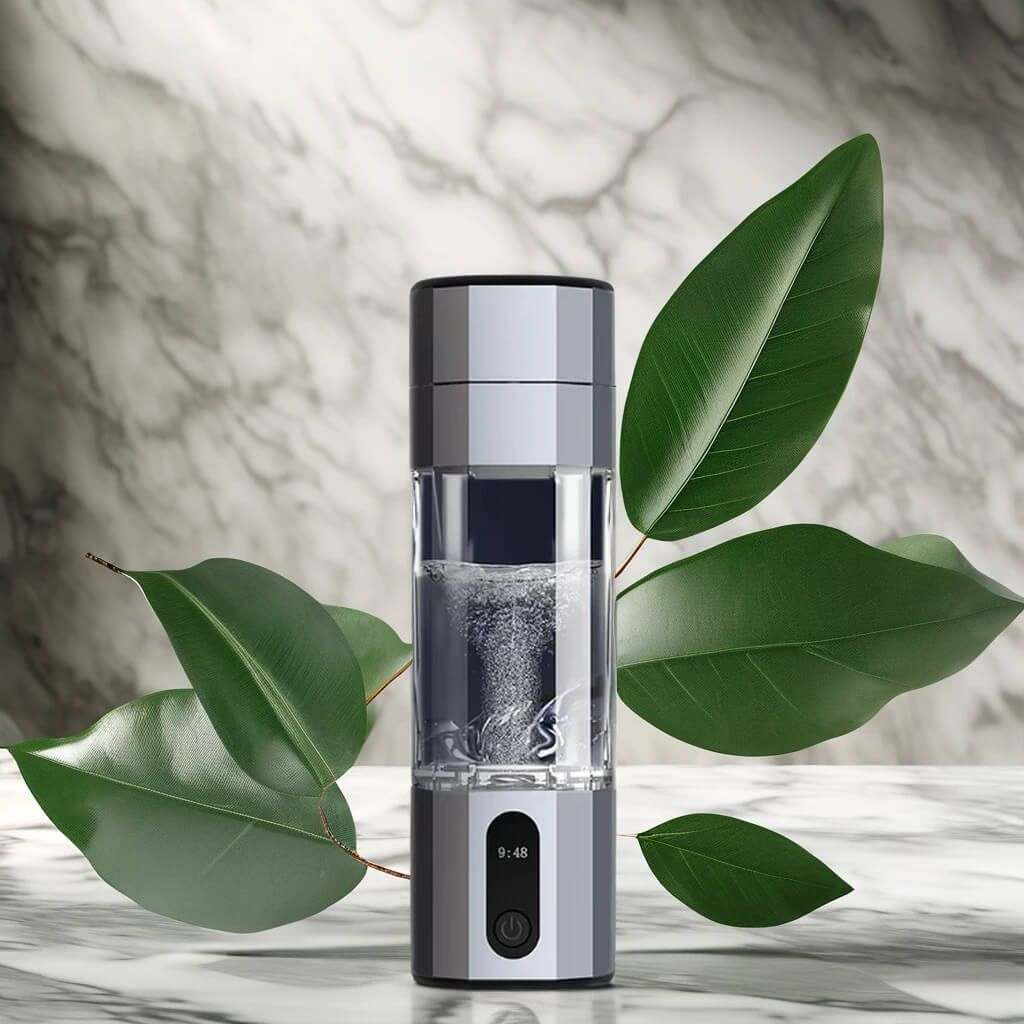
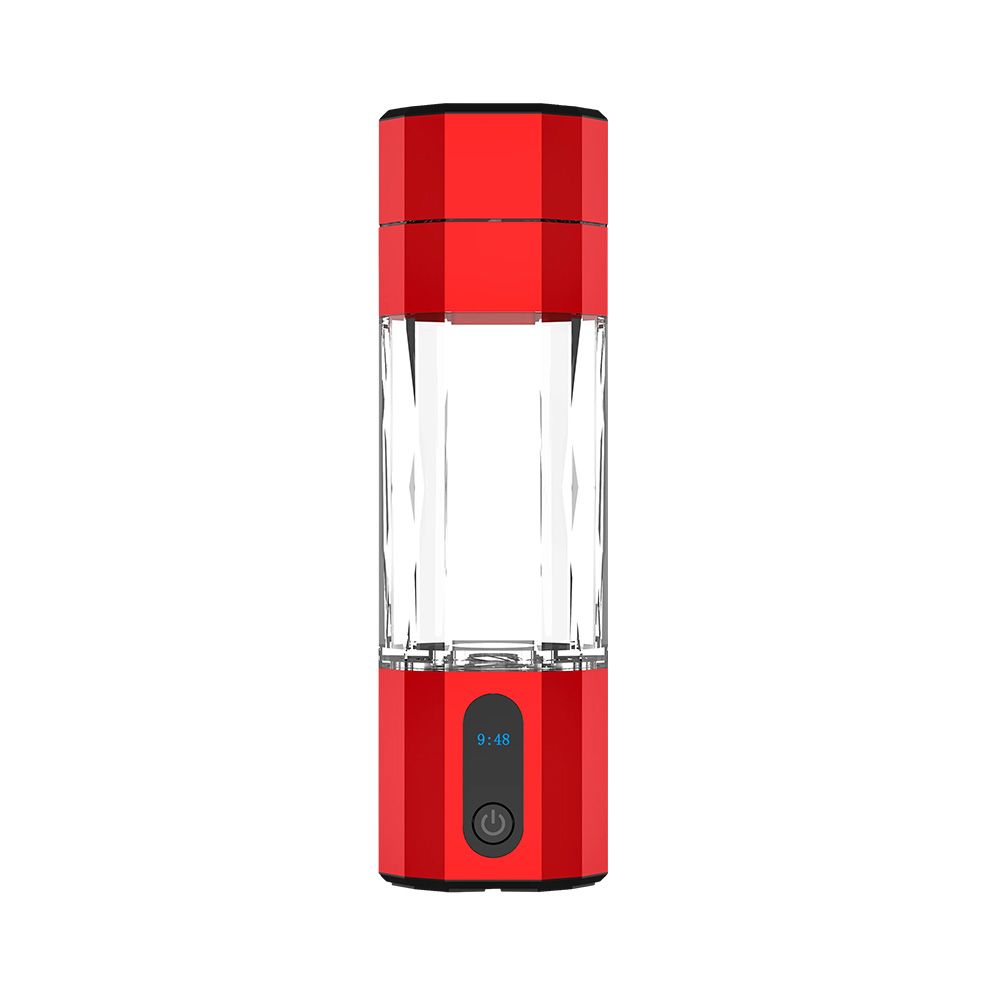
Model: H2Vital Plus
Cup material: food-grade polycarbonate. Free of bisphenol A (BPA)
Generator housing material: silver anodised aluminium
H2 concentration: from 2500 (5 min) to 4000 ppb (10 min)
Water cup capacity: 208 ml
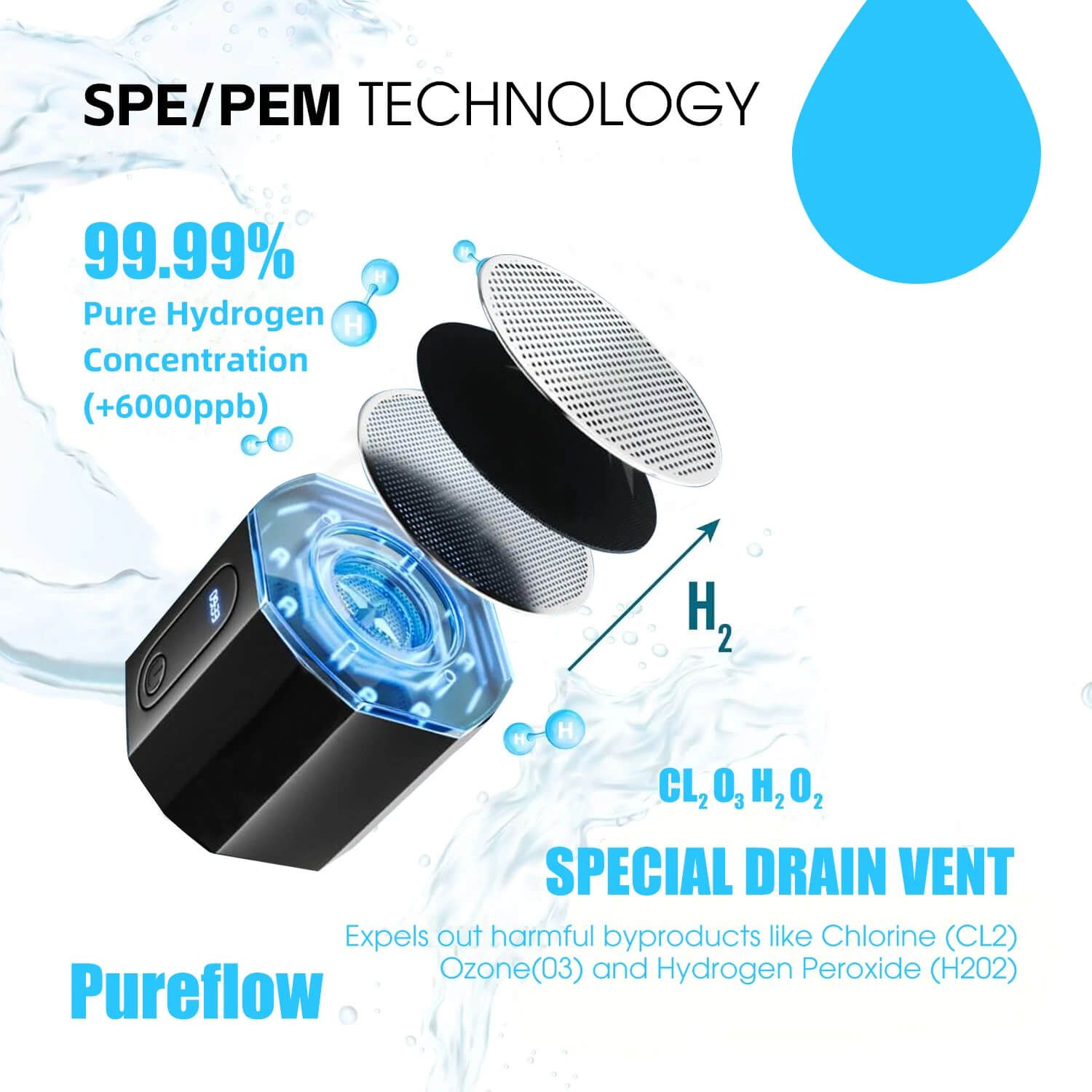
Electrodes: titanium with multi-layer platinum coating
Battery: 1500 mAh / 5V-1A
Battery charging time: 3–4 h
Fully charged: at least 10 operating cycles.
Fourth-generation hydrogen generator with platinum-coated titanium electrodes!
WHAT IS MOLECULAR HYDROGEN?
In the periodic table, hydrogen is number one – it consists of just one electron and one proton. It is also one of the most abundant elements in the universe, found in stars, space and gas giants such as Jupiter and Saturn.
On the other hand, molecular hydrogen is rare on Earth. Hydrogen gas (called H2 because each molecule has two hydrogen atoms) is extremely light and easily escapes gravity. Since hydrogen reacts with almost every chemical element, it mostly exists in compounds such as water and gases, millions of natural and synthetic chemicals and other organic compounds essential for life.
Molecular hydrogen, rarely found and exceptionally small with other unique properties, has inspired innovative scientists to explore its therapeutic potential, and their findings are truly remarkable.
One of the most interesting facts about hydrogen as an antioxidant is the finding that it neutralises the toxic hydroxyl radical (the strongest oxidising species) and the strong oxidant peroxynitrite (formed by the reaction of superoxide and nitric oxide), but has less effect on physiological radicals such as superoxide and nitric oxide, which (in low concentrations) are needed as signalling molecules.
In addition, hydrogen can penetrate tissues very quickly, reaching the nucleus and mitochondria, and is being studied for its role in preventing lifestyle-related diseases and slowing ageing. Hydrogen also crosses the blood-brain barrier, which most antioxidants cannot do.
PROPERTIES OF HYDROGEN
• It selectively removes only active oxygen, which is harmful to our body
• It is the only antioxidant suitable for our brain cells
• Its antioxidant effect is 176 times stronger than vitamin C
• Its antioxidant effect is 865 times greater than coenzyme Q10
• It is safe drinking water with no side effects
IS IT GOOD TO DRINK A LOT OF HYDROGEN WATER?
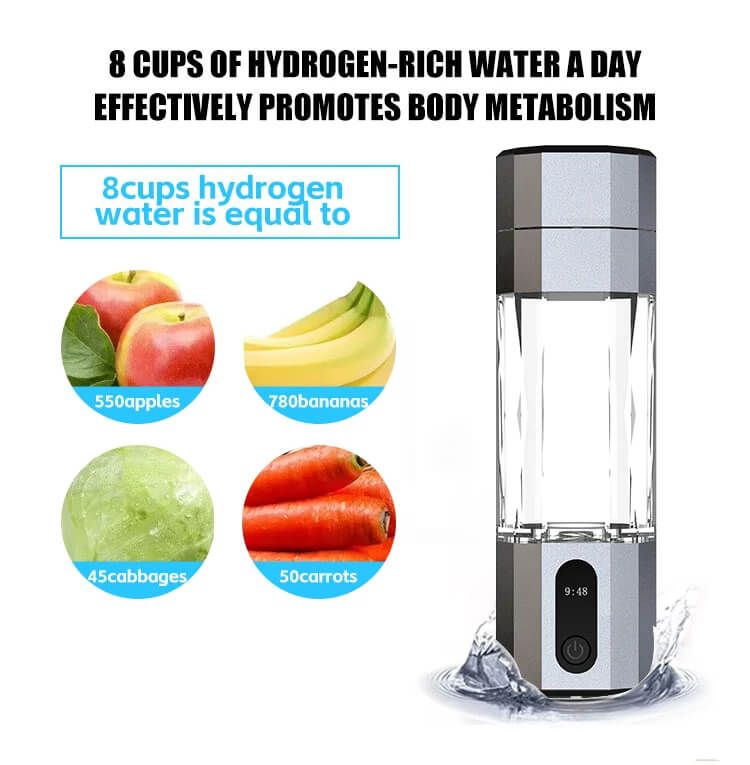
Unlike oxygen, which causes oxidation, hydrogen can be consumed in large amounts. Hydrogen spreads easily through the body and is released through breathing. Regardless of how much you drink, excess hydrogen is eliminated in urine or sweat.
HOW LONG CAN HYDROGEN WATER BE STORED?
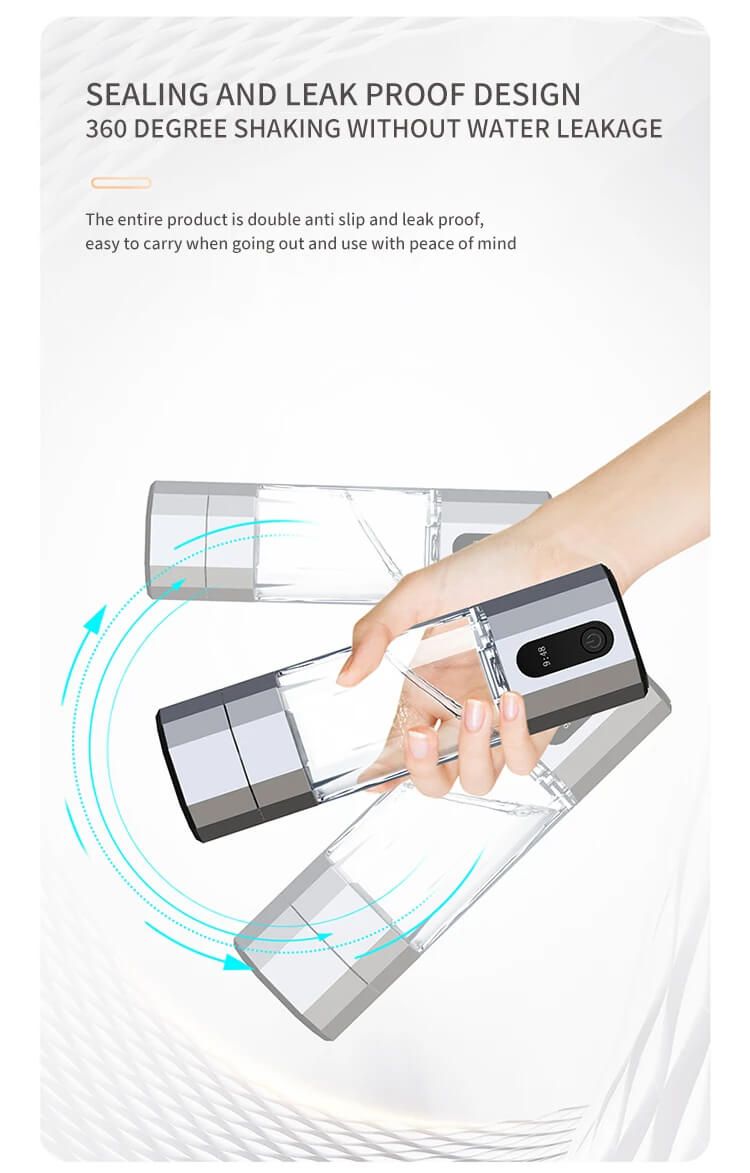
It is best to drink freshly made water straight from the generator. Active hydrogen is stable as long as it is not heated and does not escape through evaporation, shaking or freezing. However, hydrogen is very light and evaporates easily, so it is recommended to drink hydrogen water within 1–3 hours of making it.
WHAT DOES HYDROGEN WATER TASTE LIKE?
Hydrogen is odourless and colourless, so it tastes no different from ordinary water. However, water containing hydrogen has a softness that you can feel when swallowing.
ABOUT WATER
Water is the basis of existence for all plants and animals. According to modern medical science, active oxygen free radicals are a cause of many diseases. Active oxygen free radicals arise naturally after eating, are formed from oxygen through breathing and enter the body from the environment. Too many active oxygen free radicals in the body can cause changes that may alter DNA structures.
WHY SHOULD WE DRINK HYDROGEN WATER?
Hydrogen water is beneficial because it removes only harmful active oxygen, not beneficial oxygen. Today people consume functional foods containing antioxidants such as vitamin C, vitamin E and polyphenols, which have properties that reduce oxidation. These foods are certainly good for health. Hydrogen, on the other hand, is split into hydrogen atoms (active hydrogen) as soon as the body absorbs it; this active hydrogen combines with active oxygen in the body and turns it into water, which is eventually eliminated from the body.
Product photos may differ from the actual appearance of the products, but their properties and technical specifications will not differ from the description. Products in the shop may also differ in colour, shape or other parameters from their actual size, shape and colour due to the characteristics of the Buyer’s display.